The Airport Money Trap
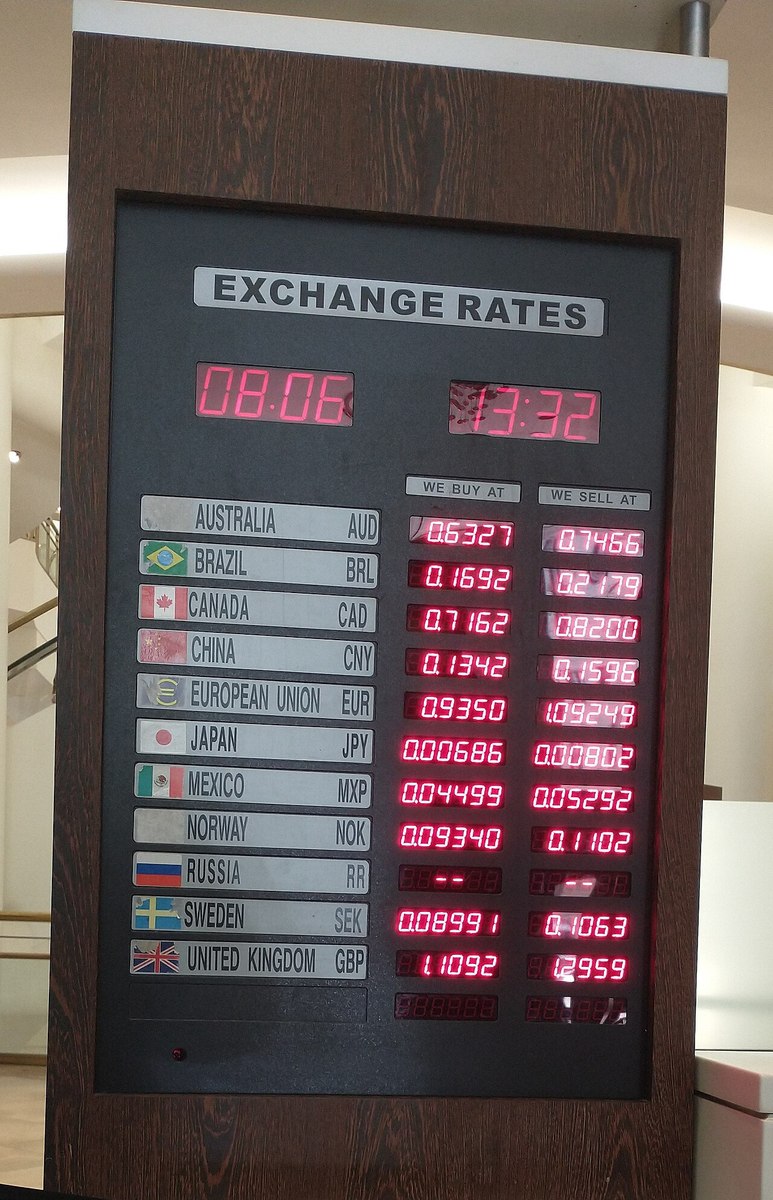
Exchange £100 into euros and straight back, and you won't get £100. How much vanished, where did it go, and why does '0% commission' cost more than the place charging a fee?
Where this idea comes from
Start here — these are the sources that inspired this exploration.
Introduction
Every currency desk shows two rates — one for buying, one for selling — and the gap between them is where the money goes. Collect today's rates from several places (the true mid-market rate online, a bank, a travel card, an airport desk) and run the same brutal test on each: convert £100 out and straight back. The round trip should return £100; the shortfall measures each provider's real cost, whatever their posters promise. Airport desks have been caught charging the equivalent of 14% or more this way. The exploration is about the PERCENTAGES — how spreads compose, why two 3% losses don't add to 6%, where a flat fee beats a percentage — not a consumer rant; the maths is what exposes the trick.
Guiding Questions
- Collect today's buy and sell rates for one currency pair from four or five providers, plus the mid-market rate online. Lay them side by side — what do you notice about where each provider sits around the 'true' rate?
- Run the round trip: £100 out and straight back with each provider. Rank them by what survives. How does a '0% commission' desk compare with one charging an explicit fee?
- Write the round trip as a function: if a provider takes p% on each direction, what fraction of your money survives both? Why is the loss not simply 2p%?
- Some providers charge a flat fee instead of (or as well as) a worse rate. Find the crossover: for what amounts is the flat-fee provider the better deal? Show it with a graph.
- Your provider list is a sample. Choose something about the trade to vary — amount, currency pair, weekday vs weekend, online vs in person — and investigate whether the ranking of providers is stable.