The steepest cable car in the world
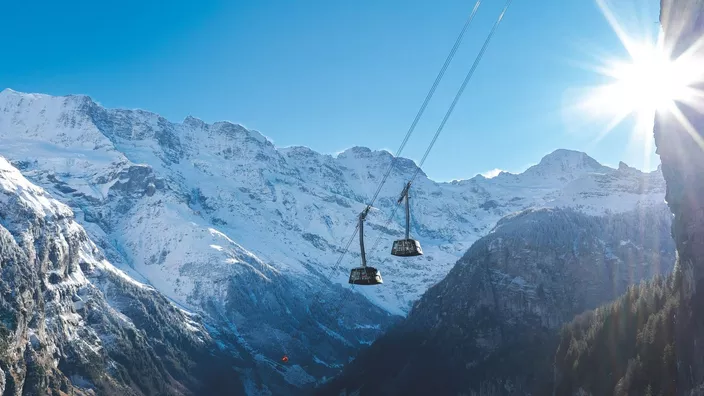
A 159% gradient, reported as the steepest cable car in the world: model what that gradient means as an angle, how it varies along the track, and whether a single headline figure is a fair comparison with other steep railways.
Where this idea comes from
Start here — this is the source that inspired this exploration.
Introduction
In 2021 a new cable car opened in Switzerland (Stoos, in canton Schwyz) advertised as the steepest in the world, with a maximum gradient of 159% on its steepest section - steeper than a slope that rises as much as it runs horizontally. This exploration models the elevation profile of the track, finds how gradient varies along its length, and asks whether a single 'steepest' figure is a meaningful way to compare railways whose gradient changes throughout the route.
Guiding Questions
- The cable car's steepest section climbs at a gradient of 159%. What angle does a gradient of 159% correspond to, and how is 'percentage gradient' defined?
- The track's average gradient is lower than its steepest section. Using the published elevation profile (or a topographic map of the route), model gradient as a function of distance along the track, and find where the steepest and shallowest sections are.
- Compare the horizontal run and total track length implied by your profile. How much extra track length does the steep section add compared with a straight, constant-gradient line between the same two endpoints?
- Compare this cable car's claim with other 'steepest in the world' claims (for example the Katoomba Scenic Railway in Australia, which advertises a steeper angle). Since gradient varies along a route, is a single headline figure a fair way to compare them, and how would you define a fairer measure?